
¿Qué es el AQI?
El Índice de Calidad del Aire resume varios contaminantes en un solo número fácil de interpretar.
Encontranos como@respirapy en X para seguir nuestras mediciones

Recibí alertas automáticas en tu Telegram ingresando a nuestro grupo de Alertas.
https://t.me/proyectorespira
Sensor Leasing
Respondemos las dudas más comunes sobre el alquiler de sensores de calidad del aire: costos, instalación, mantenimiento y cómo tu institución puede empezar a monitorear hoy.
Proyecto Respira es una plataforma abierta de monitoreo y pronóstico de la calidad del aire que permite conocer, interpretar y actuar ante la contaminación del aire mediante sensores ambientales, pronósticos, alertas y recomendaciones para proteger la salud.
Muchas aplicaciones muestran información regional o proveniente de estaciones lejanas. Proyecto Respira ofrece información específica del lugar donde se encuentra instalado el sensor, además de pronósticos, recomendaciones de salud, alertas automáticas e historial de mediciones para facilitar la toma de decisiones.
Cualquier persona puede acceder gratuitamente a la información desde la página web o la aplicación móvil. Además, instituciones, empresas y organizaciones pueden instalar un sensor propio para obtener información localizada y personalizada.
Sí. La plataforma pública y la aplicación móvil son gratuitas para la ciudadanía. El programa de instalación de sensores para instituciones corresponde a un servicio de pago que incluye instalación, monitoreo, mantenimiento y acceso a funcionalidades adicionales.
La calidad del aire indica qué tan limpio o contaminado se encuentra el aire que respiramos. Se calcula a partir de distintos contaminantes, principalmente material particulado (PM2.5 y PM10), que pueden afectar la salud cuando alcanzan concentraciones elevadas.
Muchas veces la contaminación del aire no es visible. Partículas muy pequeñas como el PM2.5 pueden afectar la salud incluso cuando el cielo parece despejado.
La exposición prolongada al aire contaminado puede provocar irritación en los ojos y las vías respiratorias, tos, dificultad para respirar y agravar enfermedades respiratorias y cardiovasculares. Niños, adultos mayores, embarazadas y personas con enfermedades respiratorias son los grupos más sensibles.
Dependiendo del nivel de contaminación, la plataforma recomienda acciones concretas como:
Proyecto Respira utiliza estándares internacionales de calidad del aire para clasificar el nivel de riesgo y acompañar cada medición con recomendaciones prácticas para la ciudadanía.
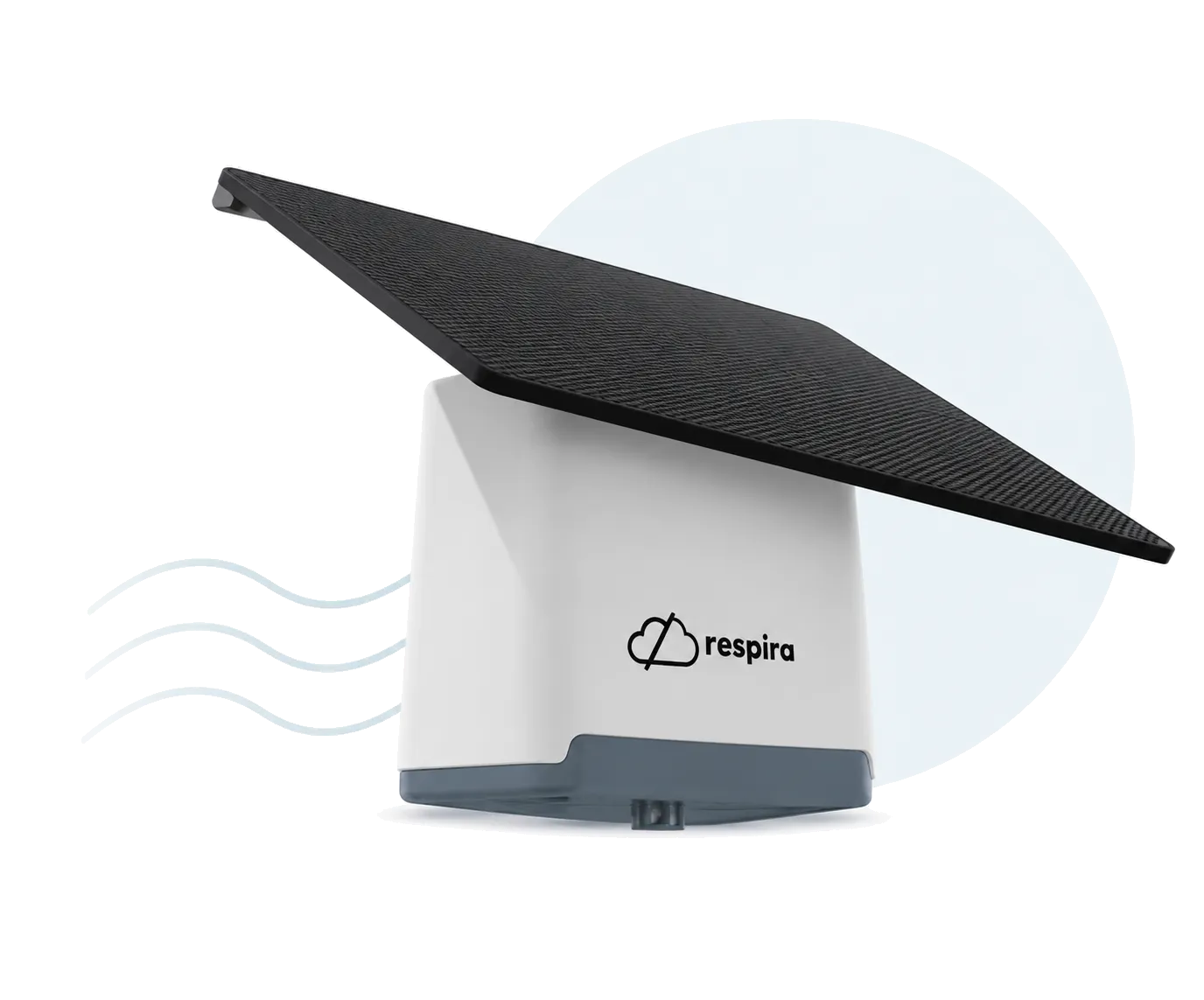
Proyecto Respira utiliza sensores de calidad del aire de grado comunitario con monitoreo continuo de partículas contaminantes y variables ambientales. El modelo podrá variar según el tipo de institución y el alcance del servicio contratado.
Dependiendo del modelo instalado, el sensor puede medir:
La cobertura depende del entorno donde se encuentre instalado el equipo. Como referencia, organismos internacionales como la EPA y la OMS consideran que una estación representa aproximadamente entre 1 y 4 km² en zonas urbanas, aunque este valor puede variar según la topografía, la densidad urbana, la presencia de edificios, el viento y las fuentes de contaminación cercanas.
Por este motivo, Proyecto Respira recomienda interpretar las mediciones como representativas del área inmediata al sensor y no de una ciudad completa.
Los sensores utilizados por Proyecto Respira ofrecen una alta precisión para monitoreo continuo y siguen estándares ampliamente utilizados por redes comunitarias de calidad del aire. Como cualquier instrumento de medición, pueden presentar pequeñas variaciones respecto a estaciones de referencia, especialmente bajo determinadas condiciones ambientales.
Proyecto Respira realiza procesos de calibración, mantenimiento y control de calidad para garantizar mediciones confiables.
El sensor debe instalarse en un lugar abierto, con buena circulación de aire y lejos de fuentes directas de contaminación o de obstáculos que puedan alterar las mediciones, como vapor o humo. Proyecto Respira acompaña a la institución durante la definición del mejor punto de instalación.
El equipo monitorea continuamente su estado de funcionamiento. Ante una falla, Proyecto Respira realiza el diagnóstico correspondiente y coordina el mantenimiento o reemplazo cuando sea necesario, según las condiciones del servicio contratado.
Sí. Requiere mantenimiento preventivo periódico para garantizar la calidad de las mediciones.
Porque la contaminación del aire no siempre es visible y puede afectar la salud, el aprendizaje y las actividades al aire libre. Contar con información local permite tomar decisiones basadas en datos objetivos y no únicamente en percepción visual o noticias.
El servicio no consiste únicamente en un sensor. Incluye:
Proyecto Respira transforma datos ambientales en información útil para la toma de decisiones. La plataforma incorpora recomendaciones prácticas, reportes interpretados, alertas y visualizaciones que permiten actuar rápidamente para proteger la salud de estudiantes, colaboradores y comunidades.
El programa Sensor Leasing incluye:
El servicio cubre la provisión del sensor, su instalación, mantenimiento, acceso a la plataforma, reportes y soporte técnico. Obras civiles, infraestructura eléctrica especial o requerimientos fuera del alcance del proyecto podrán presupuestarse por separado cuando corresponda.
La institución completa el formulario de solicitud en Proyecto Respira. Posteriormente:
Una vez aprobada la propuesta comercial y coordinada la visita técnica, la instalación y configuración inicial normalmente pueden completarse en una sola jornada, dependiendo de las características del sitio.
No. Proyecto Respira está diseñado para que cualquier persona pueda interpretar fácilmente la información mediante indicadores, recomendaciones y alertas.
Cualquier persona puede seguir un sensor específico desde la aplicación móvil de Proyecto Respira y recibir notificaciones push cuando la calidad del aire alcance niveles definidos para ese sensor.
Inicialmente cada dispositivo podrá seguir un sensor como favorito. El usuario podrá cambiar el sensor seguido en cualquier momento desde la aplicación.
Sí. Toda persona que instale la aplicación móvil de Proyecto Respira o visite la página web podrá consultar la calidad del aire de una región o de un sensor específico cuando esa información sea pública.
Proyecto Respira no solo informa el estado del aire; también muestra recomendaciones adaptadas al nivel de contaminación registrado, ayudando a instituciones y ciudadanos a tomar decisiones para proteger la salud.
La plataforma únicamente recopila la información necesaria para brindar el servicio. El monitoreo de calidad del aire no implica la captura de información personal de las personas que se encuentran cerca del sensor.
La información pública puede consultarse desde la plataforma web y la aplicación móvil cuando el sensor sea de acceso público. Algunas funcionalidades adicionales, como reportes institucionales o configuraciones específicas, están disponibles únicamente para la institución responsable del sensor.
Las mediciones corresponden al sensor instalado en la institución y forman parte de la red de monitoreo de Proyecto Respira. El uso y publicación de los datos se realizan conforme a los términos del servicio y a la política de datos abiertos del proyecto, cuando corresponda.
Contenido educativo sobre calidad del aire, pensado para escuelas y familias.
El Índice de Calidad del Aire resume varios contaminantes en un solo número fácil de interpretar.
La calidad del aire interior afecta la concentración y salud respiratoria de estudiantes y docentes.
Exposición prolongada a partículas finas se asocia a mayor ausentismo y afecciones respiratorias.
Los datos en tiempo real se transforman en material didáctico para ciencias y proyectos escolares.
Directivos ajustan ventilación y actividades al aire libre según las lecturas diarias del sensor.
Un recorrido simple: instalación, monitoreo continuo, mantenimiento incluido y soporte permanente.
Nuestro equipo puede ayudarte a evaluar si Sensor Leasing es la opción correcta para tu institución.
Volver arriba

Una colaboración de



Escribinos a proyectorespirapy@gmail.com
Seguinos en


 Unite a nuestra comunidad de Slack
 Panel institucional